









HERMISTON, Ore.-Environmental Services (EVS) Week, recognizing the essential work of EVS professionals and the vital contributions they make to ensure health care facilities are clean and safe, is September 13-19.
Held annually during the second full week of September, EVS Week highlights the behind-the-scenes, often unsung contributions of EVS workers, emphasizing the role they play in protecting patients and supporting quality care, according to the Association for the Health Care Environment (AHE).
Good Shepherd Health Care System (GSHCS) in Hermiston has been nationally recognized by Becker’s Healthcare Lists as one of the 350 cleanest hospitals in the country, and a 40-member EVS team works around the clock, performing specialized cleaning and infection prevention protocols to keep patients, hospital staff, and visitors safe.
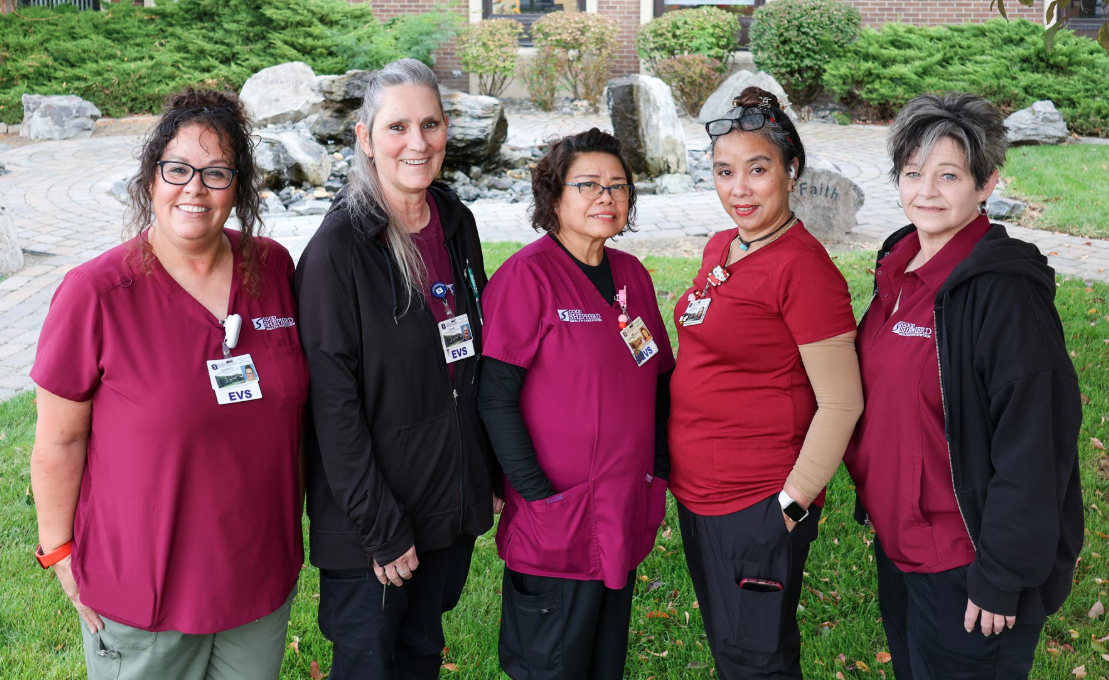
GSHCS Environmental Services
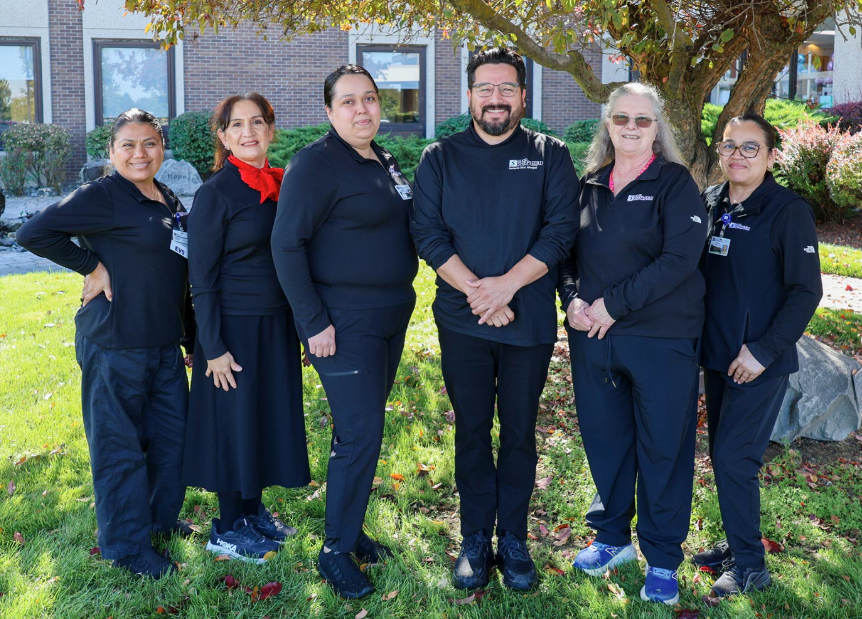
“We ensure that every area of the hospital meets health and safety standards, so patients and staff have a clean, safe environment,” said Sergio Rodriguez, who has been with GSHCS for 15 years, serving as EVS Manager for the past six years. “Our team manages terminal cleaning in operating rooms, daily surface disinfection, medical waste handling, and linen distribution.”
Terminal cleaning involves disinfecting rooms after a patient is discharged, including walls, floors, furniture, and all medical equipment.
For EVS staff at GSHCS, daily surface disinfection includes floors, hallways, waiting areas, and restrooms.
“Balancing the pace of a busy hospital with uncompromised regulatory and safety standards takes immense focus and skill,” said Rodriguez.
Medical waste handling involves the safe collection and disposal of medical or biohazard waste, as well as the proper collection and disposal of sharps.
Linen distribution is the collection, laundering and distribution of linens for patient beds, gowns, and surgical drapes.
In addition to cleaning and disinfection procedures, EVS at GSHCS engages in constant proactive infection control to ensure patient safety.
According to Rodriguez, these measures go beyond prepping rooms and include daily sanitation in occupied patient rooms, as well as at clinical workstations and in high-traffic areas at GSHCS.
“Every surface we disinfect – whether during a patient’s stay or after discharge, breaks the chain of transmission and creates a safer healing environment,” said Rodriguez.
EVS staff also collaborate with nursing units to prioritize room turnaround for incoming patients, and supports doctors and care teams, providing safe, sterile environments so they can focus on patient care.
EVS staff participate in ongoing training concerning bloodborne pathogens, chemical safety, and proper personal protective equipment (PPE) protocols.
“Safety and continuous education are core parts of our culture,” said Rodriguez.
Additionally, EVS staff at GSHCS also earn specialized national credentials, including Certified Health Care Environmental Services Technician (CHEST) and Certified Surgical Cleaning Technician (CSCT) designations.
“These programs require intensive coursework and testing on specialized pathogen control, operating room terminal cleaning protocols, and chemical dwell times,” explained Rodriguez.
EVS drives patient outcomes
While much of the essential work of EVS is done out of public view, it impacts everything we take for granted when utilizing a medical facility, from clean entryways, common areas, and restrooms to disinfected patient rooms and sterile operating rooms.
EVS workers are true health care heroes, providing a critical, proactive layer of care by ensuring hospitals operate safely for all patients, staff members, and the community.
“We’re the front line of infection prevention, if we don’t do our job it puts patients at risk,” Rodriguez said of his EVS team. “We take that responsibility very seriously and take care of every square inch of the hospital.”