










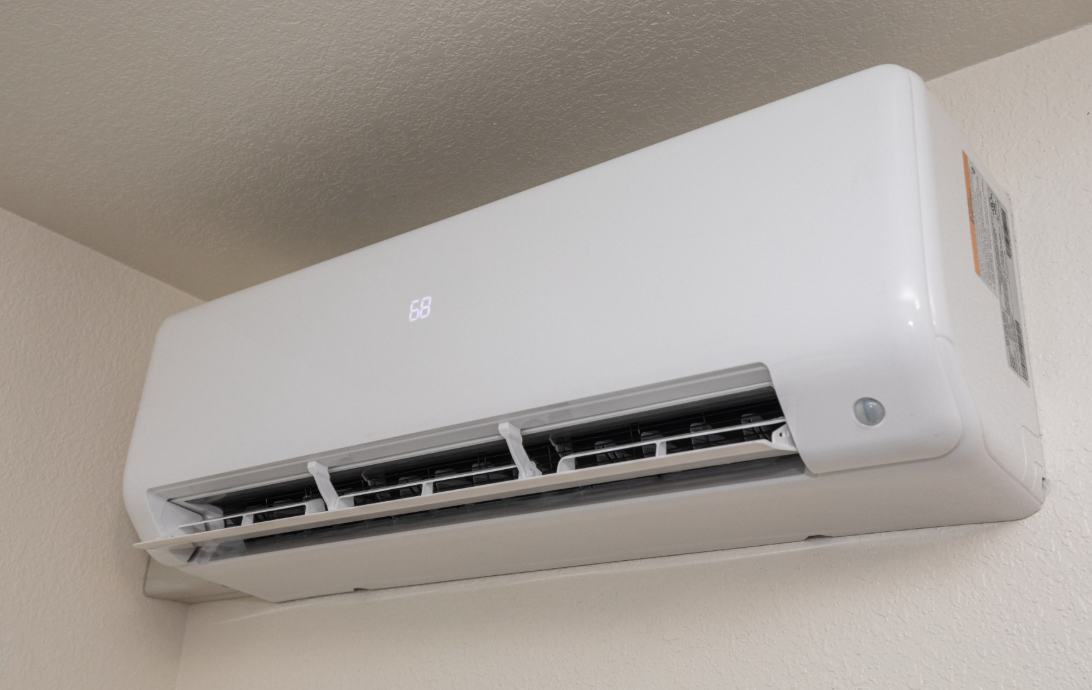
HERMISTON, Ore.-New Oregon State Building Codes taking effect in October mandate that heat pumps be installed in new residential structures built with air conditioning units.
“Heat pumps are more energy-efficient than air conditioning systems while doing two jobs, both heating and cooling your home,” said Jami Seymore, a Spokesperson with Energy Trust of Oregon, an independent nonprofit serving customers and communities in Oregon and Southwest Washington, focused on clean energy solutions and savings.
According to Energy Trust of Oregon, heat pumps are a more efficient alternative to electric resistance heating systems and air conditioner systems, and local and regional incentives are available to help homeowners upgrade.
Heat Pumps
Installed outside the home, heat pumps are part of a home’s heating and cooling system, using refrigerant to pull or push hot or cool air into or out of your home.
“Heat pumps are heat movers, rather than heat creators,” said Seymore. “In the summer, a heat pump acts as an air conditioner and moves heat out of your home, and in the winter, it captures heat from the air and moves it inside.”
Ducted heat pumps carry air through a home’s ductwork, while ductless mini-split heat pump systems provide conditioned air to individual rooms without the use of traditional ductwork.
Oregon Building Codes
Section N1105.8 of the Oregon Residential Specialty Code (ORSC), which takes effect October 1, stipulates that new homes where split-level air conditioning is installed must use a heat pump for both heating and cooling.
Starting October 1, the new building codes will be phased in over six months, becoming mandatory by April 2027.
The new codes only apply to new homes. If a builder decides not to install air conditioning, then the code requiring a heat pump does not apply.
Existing homes, including remodels, renovations, and HVAC replacements, are not affected by the new requirements.
DIY not always the way to go
The first instinct for many homeowners is to tackle a project themselves, and do-it-yourself heat pump kits are available, but when it comes to heat pumps, working with a professional has some distinct advantages.
“The biggest step is getting professional eyes on your space, a contractor can recommend needs for your home,” said Seymore. “Professionals don’t just install, but calculate a system tailored to your home.”
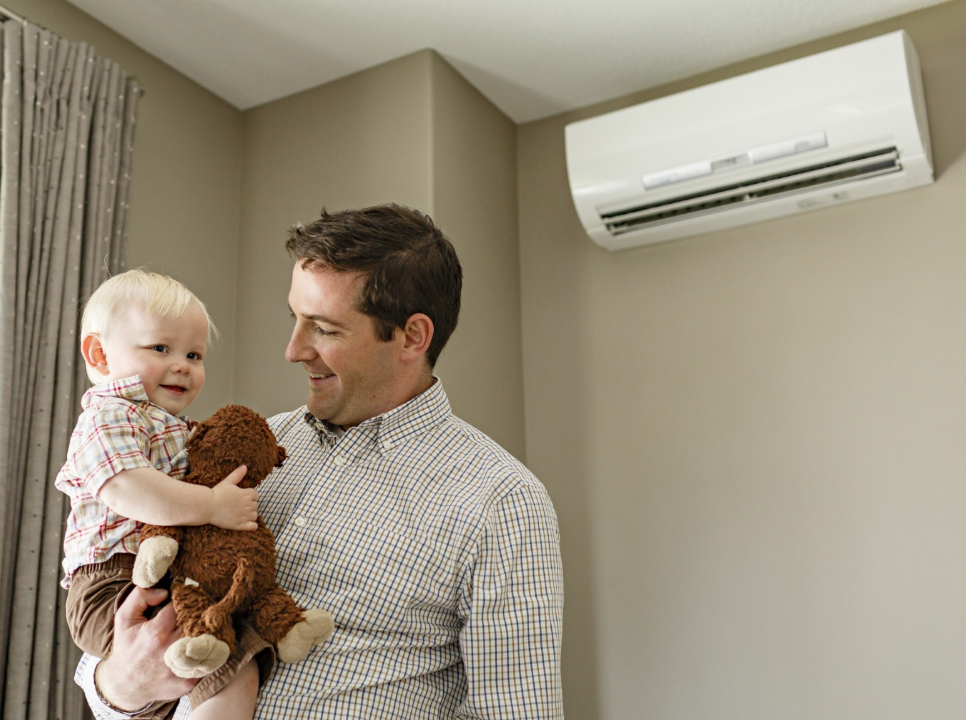
Working with a professional is the best way to determine what type of heat pump is right for your home based on its size. A heat pump that is too big or too small for your home could cycle on and off repeatedly or inadequately heat or cool your home, offsetting the intended energy-efficiency of the unit.
According to Seymore, there are also safety reasons for having a heat pump professionally installed, including the fact that the systems use high-voltage electricity and contain cooling gases.
“A professionally installed heat pump provides 15-20 years of safety, lower bills, and peace of mind,” said Seymore.
Local and regional incentives available
Homeowners will usually pay more upfront for a heat pump, but should save in the long run due to the systems traditionally lasting longer and being more energy-efficient.
Incentives and rebates for installing heat pumps are available from Energy Trust of Oregon and the Oregon Department of Energy (ODOE).
Energy Trust of Oregon’s regional incentives include promotions of up to $4,000 for the installation of heat pumps in both manufactured and single-family homes in Morrow, Umatilla and Wallowa Counties.
Information on all Energy Trust of Oregon heat pump incentives, including how to apply and how to connect with a contractor, are available online.
Information about ODOE heat pump incentives is also available online.