










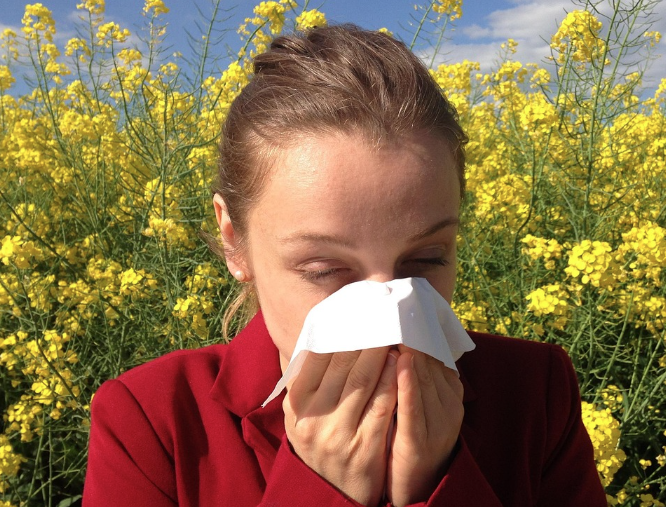
HERMISTON, Ore.-Allergy season started earlier and is expected to last longer this year across the country, including the Pacific Northwest, where a mild winter was followed by warmer-than-average early spring temperatures.
In Oregon and Washington cottonwood, sycamore, locust, oak, ash, willow, maple and juniper trees start releasing pollen in March and continue throughout April.
According to Oregon Allergy Associates, tree pollen levels rose to “very high” levels the first week of April, due to the warm and dry weather.
Common allergy symptoms include runny nose, sneezing, coughing, itchy or watery eyes, scratchy throat, and hives.
According to Energy Trust of Oregon, an independent nonprofit focused on clean energy solutions and savings that serves customers and communities in Oregon and Southwest Washington, some simple steps can improve air quality in your home, helping allergy sufferers and those dealing with asthma enjoy the season, while saving money on utility bills.
Air filters
One of the easiest ways to improve the air quality in your home is to check the air filter often, at least once per season (Spring, Summer, Winter and Fall) and change when dirty.
“A standard heating and cooling system filter typically lasts a few months, but during high pollen or wildfire smoke periods, they can get dirtier, faster, meaning your system has to work harder and use more energy,” said Jami Seymore, a Spokesperson with Energy Trust of Oregon.
During allergy season, filters should be checked every two weeks and replaced if necessary. The type of filter you use also makes a difference in air quality.
Minimum Efficiency Reporting Value (MERV) filters are rated on a 1-20 scale, with the higher rating meaning fewer particles and contaminants can pass through.
Most residential heating and cooling systems typically use a MERV filter with a 7-12 rating, which will remove dust, pollen, pet dander, mold spores, as well as some finer particles, such as bacteria or smoke fragments, according to RemembertheFilter, which specializes in residential and commercial furnace, HVAC and air conditioner filters.
According to Seymore, while higher MERV filters capture more particles, they can also restrict airflow and make your system work harder, so it’s important to check the manufacturer’s recommendations for your particular heating and cooling system.
“Fan Only” mode
With unpredictable spring weather, our first instinct may be to turn up the heat or crank up the air conditioning, but this may not be an energy or cost-efficient method of dealing with fluctuating conditions.
According to Seymore, using “fan only” mode will allow for air to circulate through the filter, but will not activate the system’s heating or cooling elements.
“This can improve air distribution and filtration, while using less energy than a full system cycle,” said Seymore.
Seal windows and doors
Sealing cracks and gaps around your home’s doors, windows, and air conditioning unit, as well as installing weather stripping around the doors can help block outdoor allergens.
“In addition to improving indoor air quality, sealing air leaks can reduce heating and cooling losses, lowering your energy bills,” said Seymore.
Avoid indoor air pollution
It might be second nature to light a candle, use incense, or fry or boil when cooking, but you may want to reconsider those habits, especially during peak allergy season.
The goal is to keep the filtered air inside your home clean, and smoke and particles from candles or high-heat cooking can all contribute to polluting that air and exacerbating allergy symptoms.
Air filters
Adding a portable air purifier to your home is another way to remove allergens and maintain air quality.
When choosing an air filter look for a model that uses High Efficiency Particulate Air (HEPA) filters, which are some of the most effective at trapping allergens, such as pollen, dust, pet dander and mold spores.
“Air purifiers with HEPA filters are really good at capturing about 99 percent of airborne particles,” said Seymore. “They come in a variety of sizes for use in small rooms or bigger spaces to match your particular need.”
Energy Trust of Oregon is offering an instant $75 discount on ENERGY STAR high-efficiency air purifiers that can be ordered online with free shipping.
Once pollen counts drop, Seymore recommends using your heating and cooling system’s fresh air intake or opening your windows, especially overnight, to balance the need for fresh air with keeping allergens out of your home.
Allergy season is here, and it could be a long one. While you may have to suffer and sneeze outside, a few low-cost measures can increase the air quality in your home and keep you breathing easy all season.
“Be vigilant about your heating and cooling system,” said Seymore. “Checking and changing your filter is one of the easiest things to stay on top of. When it’s clear, the system doesn’t work as hard, and that saves on your utility bill.”