










HERMISTON, Ore.-A deadly winter storm continues to grip a large swath of the country, leaving hundreds of thousands without power.
At least 18 deaths have now been attributed to the storm that saw sleet, freezing rain and snow from Texas to New England, brought travel to a standstill in the Northeast, and left close to a million people without power across the South.
Cold temperatures are expected to persist throughout the week, with over 190 million Americans under extreme cold weather watches or warnings, according to the National Weather Service.
While it has remained largely dry in the Pacific Northwest, the region has experienced its coldest weather of the young year over the past week, with daytime highs near freezing and overnight lows in the teens and twenties.
Many people spending more time at home during the cold snap may be inclined to turn up the heat, however, from adjusting your thermostat to scheduling maintenance, there are some simple, cost-saving steps to take to avoid high heating bills this winter.
Energy Trust of Oregon, a nonprofit that serves the customers of five utilities: Pacific Power, PGE, Avista, Northwest Natural Gas, and Cascade Natural Gas, in Oregon and Southwest Washington, has tips to help homeowners use less energy, save money and stay warm this winter.
Finding the right temperature
“Even a couple of degrees of difference on the thermostat can have a really big impact on heating expenses,” said Jami Seymore, a spokesperson for Energy Trust of Oregon.
Energy Trust of Oregon recommends keeping your thermostat between 65-68 degrees while you’re at home and lowering it by a few degrees at night or while you’re away to save energy.
If your home has a heat pump you should avoid adjusting it more than 3 degrees, since it’s designed to maintain the temperature in the home.
Installing a smart thermostat that automatically adjusts the temperature in your home to save money is another solution.
Close out the cold, seal in the heat
Making sure your home is as energy efficient as possible is another fairly inexpensive way to save money and energy.
“Little gaps and cracks by doors and windows, areas where you feel a little cold air coming in add up to energy loss,” said Seymore.
Caulking or spray foam can be used around windows or doors and to fill cracks, adding weather stripping or door sweeps can also help keep the cold out.
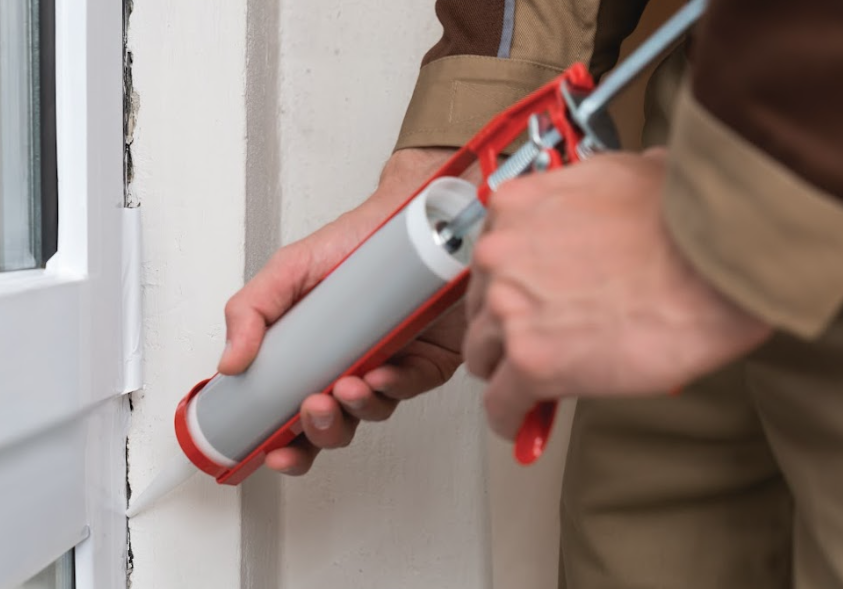
Making sure your home is properly insulated can help keep the warm air inside, while remembering to close the flue and dampers if your home has a wood stove or fireplace can prevent drafts and save energy.
Let the sunshine in
While sunny days may seem few and far between in the winter, when we do get them it’s important to open the blinds and curtains in your home to let the light and natural heat in.
“Use what’s around you, take advantage of natural heat sources that don’t cost, like the sun,” said Seymore.
Closing the curtains when the sun sets will trap the natural heat in your home and placing rugs on bare floors also offer an extra layer of insulation
Checking air filters and scheduled maintenance
“If a filter is clogged or dirty, air can’t flow freely and more energy is used by the heating system,” said Seymore.
Regularly checking the air filter in your home and cleaning or changing it if it’s dirty will save energy and impact your heating bill.
“If a filter is clogged or dirty, air can’t flow freely and more energy is used by the heating system,” said Seymore, who recommends checking filters every three months or so, using spring, summer, winter and fall as good reminders to ensure air is flowing freely.
Scheduled maintenance to your HVAC system is also important to make sure it’s operating properly and efficiently to keep your home comfortable and save money on your heating bills.
Heating emergencies
If you do happen to lose power during a winter storm, keeping as much warm air as possible inside your home by sealing doors, windows, stoves and fireplaces is essential, according to Seymore, as is personal insulation, bundling up until the power is restored.
If the outage reaches an emergency level, it’s important to contact emergency services or your utility provider.
More information about Energy Trust of Oregon programs, including incentives, is available online.