









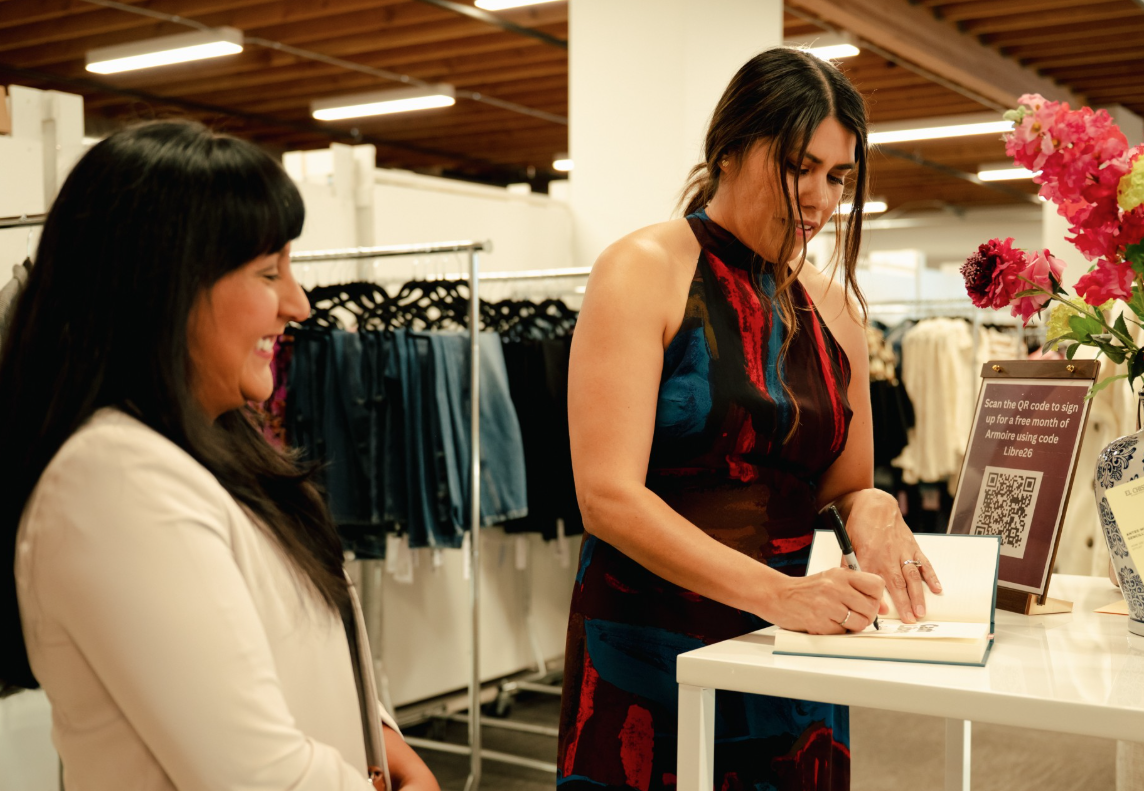
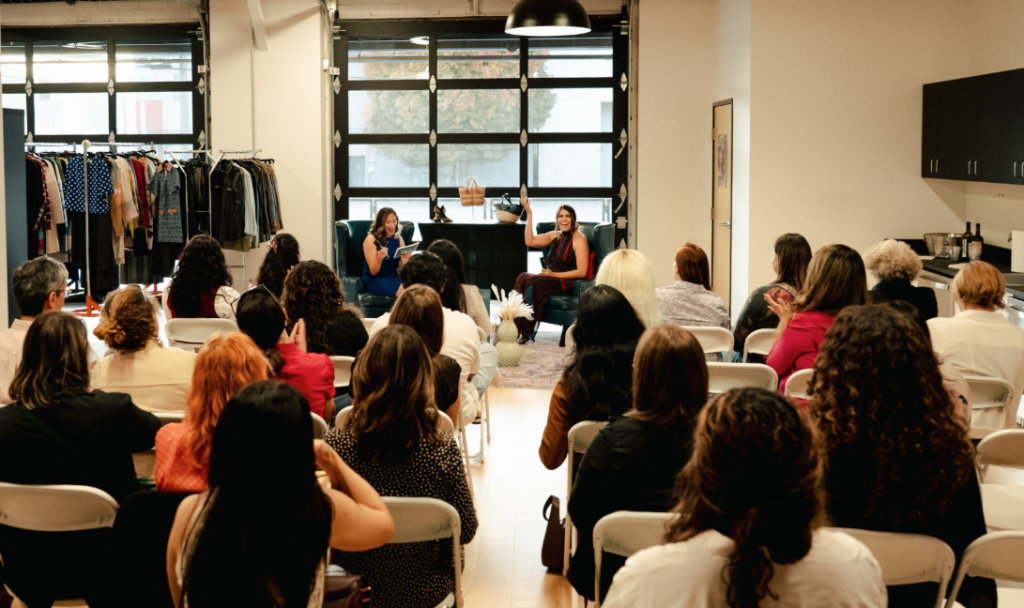
HERMISTON, Ore.-One of Hermiston’s own will return for a discussion, reading, and signing event for their new book at The Next Chapter bookstore on November 10.
Luzy King, an award-winning financial educator, founder of Say Hola Wealth, angel investor, and author will discuss her book “Cash Libre: 10 Pillars to Reclaim Your Purpose & Financial Freedom” at the Evening With an Author event at 6:30 p.m.
Originally from Hermiston, King ran cross country and track for the Bulldogs and graduated in 2004.
“Looking back, the younger version of me walking the halls of Hermiston High School could never have imagined that my work would be featured in outlets like Forbes, Girlboss, Nasdaq, and Telemundo, or that I would become a published author,” said King.
King started her career in Hermiston, and although she moved away to grow her career and start her family, she fondly recalls the support of the community and acknowledges that she didn’t get to where she is now by herself.
“In Hermiston, I was fortunate to have mentors, educators, and community leaders who believed in me before I fully saw my own potential,” said King. “Their encouragement made a lasting difference, and I carry that gratitude with me today.”
Say Hola Wealth
In addition to writing “Cash Libre,” King is also a wealth educator, speaker, and founder of Say Hola Wealth.
With Say Hola Wealth, King works to make financial education more accessible, culturally relevant, and empowering for first-generation Latina professionals navigating financial decisions beyond purchasing a home.
When we think of money problems we often think of overspending, however, over-saving or even hoarding money out of fear can also be a problem, especially for those who experienced financial insecurity growing up, according to King.
“Saving can become a way of protecting yourself from ever experiencing that insecurity again,” said King. “Even when your income increases, your relationship with money doesn’t automatically change.
Through Say Hola Wealth, King helps women recognize these patterns, build financial confidence, and make decisions with intention rather than fear, both personally and in the workplace.
That support ranges from helping clients negotiate a job offer, preparing them for a performance evaluation, going over a compensation package, and advocating for pay that reflects their contributions as leaders.
“Ultimately, my goal is to help women understand that financial power isn’t just about how much money they earn or save,” said King. “It’s also about knowing their value, advocating for themselves, building wealth strategically, and making financial decisions that align with the life they want to create.”
Lived experience leads to book
In 2019, King began reading personal finance books, researching successful investors and financial experts, and trying to apply those strategies in her own life and career.
“For many of us, especially those from low-income households or first-generation professionals, building wealth means learning a new language while unlearning beliefs shaped by our upbringing,” said King.
Through her reading, research and personal finance journey, King realized that the traditional finance narrative didn’t necessarily reflect her experience, and that the messaging often carried shame.
“People were told to eat beans and rice, stop going to restaurants, or cut out anything that brought them joy to succeed financially,” King said of the available personal finance literature.
The concept for “Cash Libre” grew from King’s lived experience, as well as her realization that available personal finance resources didn’t speak to people like her, who grew up in rural America.
“We don’t necessarily know someone who has launched a company, raised capital, or sold a business for millions of dollars,” said King. “When those possibilities aren’t represented, it’ hard to imagine them for ourselves.”
As she continued her financial research and journey, King kept coming back to the same question: “Where was the financial education that acknowledges our cultural experiences, family responsibilities, and the emotional weight we carry around money?”
According to King, it was that question which ultimately became the foundation for “Cash Libre.”
“I wanted to write the book I wish I had found when I first began my financial journey,” said King. “One that combines practical wealth-building strategies with compassion, cultural awareness, and the understanding that financial freedom should not require us to abandon our identities or live in constant deprivation.”
Cash Libre: 10 Pillars to Help You Reclaim Your Purpose and Financial Freedom
The 10 pillars presented in “Cash Libre” offer a framework for people to rethink their money beliefs, heal from financial trauma, and achieve financial independence.
“These aren’t simply concepts I’ve researched,” said King. “They’re lessons and strategies I’ve applied in my own life, and I wanted to share them in a way that encourages readers to see money through a different lens.”
King developed the 10 pillars that make up “Cash Libre” through unlearning her limiting personal financial beliefs and healing from the financial trauma she experienced growing up in a low-income household.
As an example, Pillar Four of King’s book challenges the moral judgment often attached to debt.
“Many of us grow up hearing that all debt is bad or that borrowing money signals financial irresponsibility,” said King. “For communities that have historically faced barriers to accessing financial services, distrust of financial institutions can run especially deep.”
The topics of other pillars include multiple income streams, legally protecting your wealth, expanding our understanding of investment opportunities, and more.
In “Cash Libre,” King also challenges readers to redefine financial success beyond expectations inherited from their parents, or of a particular salary, or even the traditional retirement age.
“Ultimately, I challenge readers to ask themselves a bigger question,” said King. “Are you building wealth by someone else’s definition of success, or are you creating a life that feels meaningful and free to you?”
A personal finance manifesto
“Cash Libre” has been described as a personal finance manifesto that gives readers permission to heal from money trauma.
While her book is helpful for both women and men from varied backgrounds, King wrote “Cash Libre” with first-generation professional women, in mind.
“Throughout the book, I share examples of women who have worked to overcome limiting beliefs and change their relationships with money,” said King. “I want readers to recognize that they can learn how to invest, save, and build wealth, while also addressing the emotional patterns holding them back.”
Financial decisions are not always purely rational and can be shaped by experiences, beliefs, and our emotions, which is why the distinction between money mindset and money trauma is one of the most important in her book, according to King.
“Money mindset is what you believe about money and money trauma is what your body remembers about money,” said King.
Money mindset is thoughts concerning finances, such as “money is hard to save,” while money trauma can be an emotional or physical response to financial issues, such as the anxiety that someone who grew up with very little may experience when spending on themselves.
“Sometimes the biggest financial breakthrough isn’t earning more money,” said King. “It’s finally feeling safe enough to enjoy, invest, and use the money you’ve worked so hard to earn.”
“Cash Libre” is one of the most requested titles on NetGalley in the Multicultural Interest, Leadership, and Business & Finance categories, and the book has been nationally recognized by Latina leaders in business and finance, as well as venture capital, activism, and financial trauma.

The book has also earned editorial reviews from the Manhattan Book Review and Midwest Book Review, and some universities have expressed interest in using “Cash Libre” as part of their sociology courses.
While the accolades are nice, King hopes readers of “Cash Libre” realize they don’t have to choose between building wealth or honoring their heritage.
“They can love their families, celebrate their cultures, enjoy their lives, and still make financially sound decisions,” said King. “Financial freedom isn’t just about accumulating money. It’s about having choices, reclaiming your time, and creating a legacy that reflects your own values.”
Evening With an Author at The Next Chapter
On November 10, King will attend a discussion, reading, and signing event for “Cash Libre” at The Next Chapter Bookstore at 1000 S. Highway 395 Ste C, in Hermiston.
“Returning to my community as an author and wealth educator is deeply meaningful,” said King. “It reminds me how powerful it is when a community invests in young people and helps them imagine possibilities beyond what they can see at the time.”
King encourages students to attend the event, as the message of “Cash Libre” and the conversations it sparks are valuable at every stage of life.
“Cash Libre” will be available for purchase during the event at The Next Chapter.
The book is also available from major booksellers, such as Barnes & Noble and Amazon, as well as through independent bookstores, including Bookshop.org.
“I hope people will come not only to learn about the book but also to have an open conversation about money, opportunity, and what financial freedom can look like for each of us,” said King.